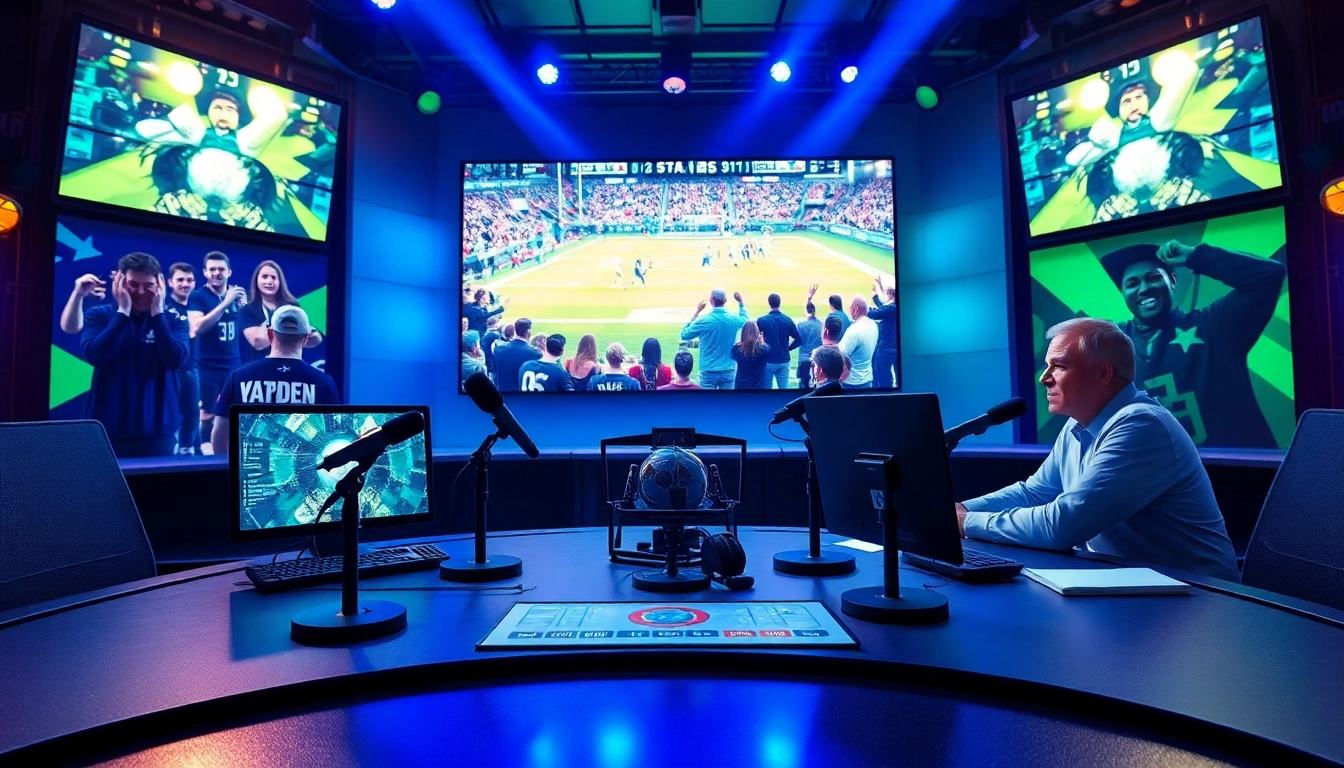
The Evolution of Sports Broadcasting
A Historical Perspective on Sports Broadcasting
Sports broadcasting has come a long way since the first radio transmissions of sports events in the early 20th century. The initial broadcasts were limited in reach and technology, often simply announcing scores and updates. With the advent of television in the mid-20th century, sports broadcasting transformed dramatically, allowing fans to watch live games from the comfort of their homes. The introduction of color TV further enhanced the viewing experience, making sports more engaging than ever before.
The late 20th century witnessed the explosion of cable television, enabling the emergence of dedicated sports channels. This niche programming change gave birth to sports networks that could broadcast games round-the-clock, saturating the market and revolutionizing how fans interacted with their favorite sports. The modern era of Sports Broadcasting underscores a continuous evolution, catering to an increasingly tech-savvy audience.
Key Milestones in Sports Broadcasting Technology
Throughout the decades, several technological milestones have shaped sports broadcasting:
- Radio Broadcasting: In the 1920s, sports events began to be broadcast over the radio. These broadcasts were significant for sports fans who wanted real-time updates.
- Television Technology: The 1950s introduced television broadcasts that transformed the viewer experience, with iconic events like the 1958 NFL Championship game bringing millions of viewers.
- Cable Networks: The 1970s saw the rise of ESPN, creating 24-hour sports content and paving the way for niche sports programming.
- Digital Streaming: The growth of the internet in the 2000s allowed for live streaming, making sports accessible anywhere, anytime.
- Mobile Broadcasting: Recent advancements have made broadcasts available on mobile devices, enabling fans to follow their teams on the go.
The Shift to Digital Platforms in Sports Broadcasting
The transition from traditional television broadcasts to digital platforms marks a significant change in the sports broadcasting landscape. With a growing number of viewers opting for streaming services, networks are competing for audience attention in innovative ways. Digital platforms offer enhanced user experiences, often allowing viewers to choose specific angles and camera feeds, interact with content, and access in-depth statistics in real-time.
This shift has also led to increases in subscription models and pay-per-view options, adding revenue streams that cater to diverse fan expectations. The integration of digital technology not only changes how fans consume sports but also how advertisers engage with audiences.
Understanding Audience Engagement through Sports Broadcasting
How Sports Broadcasting Connects Fans Globally
Today’s sports broadcasting transcends geographic boundaries, connecting fans around the globe. Major sporting events like the Olympics or the FIFA World Cup can attract billions of viewers from different continents, showcasing the unifying power of sports. Broadcasters leverage technology to reach international audiences through multi-language commentary, enabling fans to immerse themselves in sports regardless of their location.
Additionally, local leagues have found ways to broadcast games nationally and internationally, capturing niche markets that were previously underserved. This global reach cultivates a deeper sense of connection among fans who share a passion for the same teams, even if they live thousands of miles apart.
The Role of Social Media in Sports Broadcasting
Social media has become an integral part of sports broadcasting, offering a platform for real-time interaction and engagement. Fans use social media to share their thoughts while watching games live, creating a multifaceted viewing experience. Many broadcasters now integrate social media feeds into their live broadcasts, displaying fan reactions and facilitating interactive polls and discussions that enhance viewer engagement.
Moreover, social media platforms allow sports organizations to reach younger audiences more effectively, leveraging influencers and viral content to draw attention and generate excitement around events.
Measuring Audience Engagement in Sports Broadcasting
Understanding audience engagement is crucial for broadcasters as they strive to cultivate loyal viewership. Metrics such as viewership numbers, social media interactions, and audience demographics provide insights into how well content resonates with fans. Modern tools enable broadcasters to gather data on viewer habits, facilitating targeted advertising and content curation that aligns with audience preferences.
Engagement can also be measured through unique interactions, such as integrating quizzes during broadcasts or creating mobile applications that enhance viewer experience. This approach not only boosts current audience engagement but also helps cultivate future fan bases.
Insider Insights: The Mechanics of Sports Broadcasting
The Technology Behind Live Sports Broadcasting
The mechanics of sports broadcasting are complex, involving state-of-the-art technology that includes cameras, satellites, and broadcasting towers. The use of multiple camera angles captures the action from various perspectives, allowing producers to edit feeds in real-time for a seamless viewer experience. The integration of graphics, instant replays, and augmented reality further enhances live broadcasts, making them more dynamic.
Moreover, advancements in transmission via 5G networks offer the potential for higher-resolution feeds with minimal lag, enhancing overall viewer satisfaction during live events.
Interviews with Sports Broadcasting Professionals
Insights from sports broadcasting professionals provide an inside look at the industry. Interviewing producers, commentators, and technical staff reveals their roles in ensuring smooth and engaging broadcasts. From decision-making under pressure to innovative storytelling techniques, these professionals share tips that can enhance audience engagement and fuel a passion for sports.
Their experiences shed light on the collaborative effort involved in producing a successful sports broadcast, proving that it’s not just about the game but the presentation that captivates audiences.
Behind the Scenes: A Day in Sports Broadcasting
A typical day in sports broadcasting is filled with challenges and exciting moments. It often begins early, with teams meeting to plan the day’s schedule, review game statistics, and strategize content delivery. Communication among crew members is crucial, and coordination ensures that every viewer receives a cohesive experience.
Understanding the behind-the-scenes dynamics helps fans appreciate the intricate work that goes into broadcasting their favorite events, highlighting the passion and professionalism of the sports broadcasting industry.
The Future of Sports Broadcasting: Trends to Watch
Emerging Technologies Influencing Sports Broadcasting
The future of sports broadcasting is poised for further evolution with emerging technologies influencing how content is created and consumed. Virtual reality (VR) and augmented reality (AR) are on the forefront, promising immersive experiences where fans can feel as if they are part of the action. These technologies may include VR headsets that allow users to watch games from alternate angles, enhancing viewer engagement.
Moreover, advancements in artificial intelligence (AI) enable broadcasters to automate certain aspects of production, optimize viewing experiences, and curate tailored content based on viewer preferences.
Changing Viewer Preferences in Sports Broadcasting
Viewer preferences are continuously changing, shaped by advancements in technology and shifts in societal behavior. Today’s audiences seek personalization, making it essential for broadcasters to provide tailored content that caters to individual interests. On-demand content and interactive features that allow viewers to dictate their sports experience are becoming increasingly popular.
Understanding these changing preferences is vital for sports broadcasters to stay relevant and ensure they capture and retain their audience’s attention.
How AI and Data Analytics Affect Sports Broadcasting
Artificial intelligence and data analytics play significant roles in optimizing sports broadcasting. By analyzing viewer data, networks can tailor broadcasts, enhance marketing strategies, and improve viewer engagement. AI can also assist in content creation through automated summaries and highlights, streamlining production efforts while providing quick access to key moments for viewers.
As AI continues to evolve, its integration into sports broadcasting will enhance decision-making processes, making it easier to produce relevant content that resonates with fans.
FAQs About Sports Broadcasting
What is Sports Broadcasting?
Sports broadcasting refers to the transmission of live or recorded sports events to audiences across various platforms, including television, radio, and digital streams.
How has technology changed Sports Broadcasting?
Technology has transformed Sports Broadcasting by introducing high-definition video, live streaming, interactive platforms, and enhanced viewership analytics.
Why is audience engagement important in Sports Broadcasting?
Audience engagement is crucial as it directly impacts viewership numbers, advertising revenue, and the overall investment in production quality.
What role does social media play in Sports Broadcasting?
Social media provides real-time interaction between fans and broadcasters, enhancing viewer engagement through shared experiences and widespread content distribution.
What are the future trends in Sports Broadcasting?
Future trends include the increasing use of VR and AR, personalized content delivery, data-driven analytics for viewer engagement, and AI-driven production tools.