The Essential Guide to Shower Screen Sliding Door
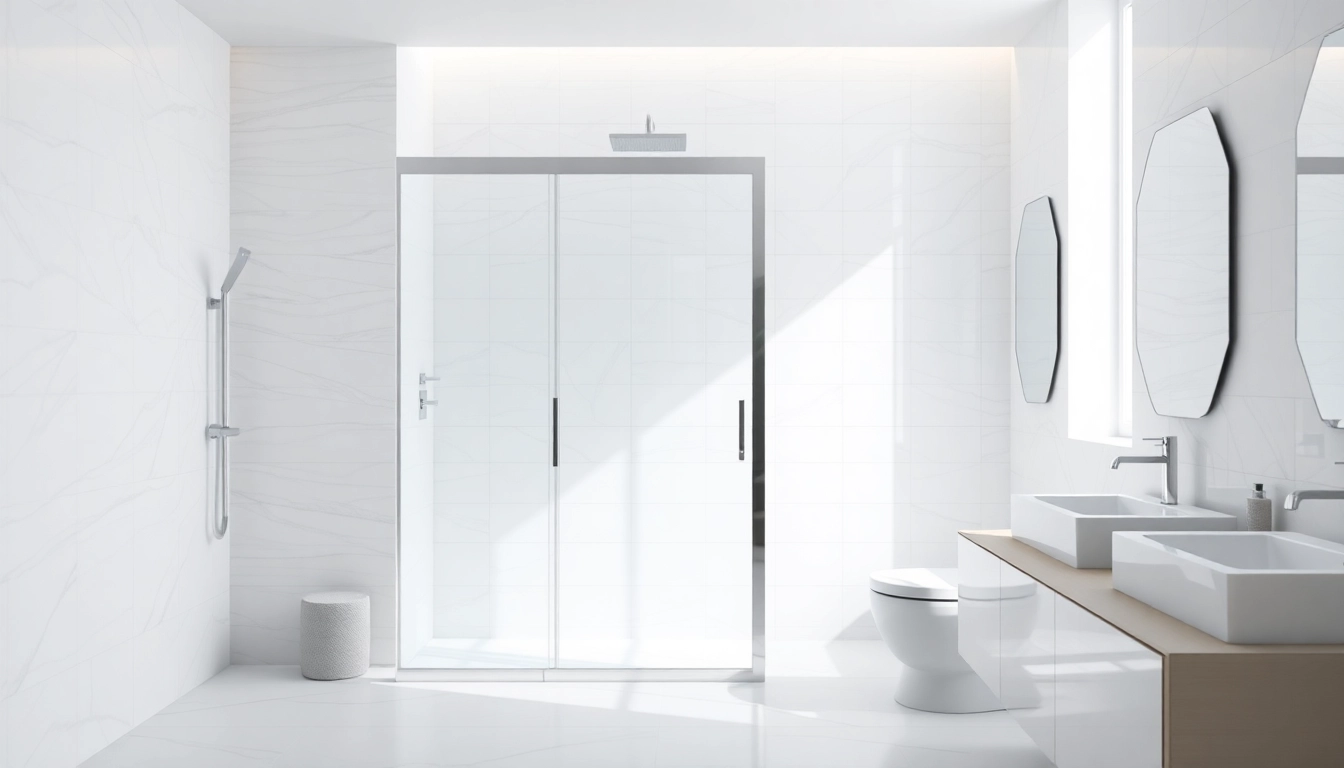
In modern bathroom design, a shower screen sliding door is a revolutionary solution that combines functionality with aesthetic appeal. This essential guide will walk you through the nuances of shower screen sliding doors, offering insights into their functionality, benefits, installation processes, and maintenance for a long-lasting investment in your home.
Understanding the Functionality
A shower screen sliding door is designed to offer an efficient way to enter and exit the shower space without the cumbersome swing of traditional doors. These doors slide along a rail system, allowing for smooth operation and optimal use of bathroom space. Their unique design means that even in smaller bathrooms, you can enjoy a stylish and functional shower area. The sliding mechanism typically employs rollers for enhanced user experience, making it easy to open or close the door even in tight spaces.
Advantages of Shower Screen Sliding Door
Choosing a shower screen sliding door comes with a multitude of advantages. Firstly, the space-saving design means that you can maximize every inch of your bathroom, especially in smaller layouts. Additionally, these doors tend to be more water-efficient, reducing leaks and splashes outside the shower area. They also provide a sleek and modern look that can enhance the overall aesthetic of your bathroom.
Another major advantage is their ease of cleaning. Unlike traditional shower curtains, sliding doors are often made of glass or acrylic, which are easier to wipe down and keep free from mold and mildew. Plus, with a variety of designs available, you can select a style that perfectly complements your bathroom decor.
Key Features to Consider
When selecting a shower screen sliding door, it’s vital to consider several key features:
- Material: Glass vs. Acrylic
- Frame Style: Frameless, semi-frameless, or framed options
- Size: Ensure it fits your allotted space
- Installation Method: Wall-mounted versus floor-mounted options
- Design Options: Patterns, finishes, and hardware finishes
Choosing the Right Material for Your Shower Screen Sliding Door
Glass vs. Acrylic: What to Choose?
The choice between glass and acrylic is crucial in determining the overall effectiveness and style of your shower screen sliding door. Glass is often preferred for its durability and clean, modern aesthetic. It’s stronger and more scratch-resistant compared to acrylic, making it a long-term investment. However, glass can be heavier and may require more robust hardware for installation.
Acrylic, on the other hand, is lighter and often more affordable. It is less likely to shatter than glass, making it a safer option for families with children. While acrylic offers flexible design choices, it is more prone to scratches and may require a bit more care to maintain its clarity over time.
Durability and Maintenance Tips
Regardless of material choice, understanding durability and maintenance is vital for ensuring your shower screen sliding door remains in excellent condition. For glass doors, regular cleaning with a non-abrasive glass cleaner will help maintain clarity. For acrylic, use a soft cloth and gentle cleaner to avoid scratches.
It’s also important to inspect the door’s sliding mechanisms periodically. Lubricate the tracks with a silicone-based spray to ensure smooth operation and avoid dirt build-up that can cause future problems.
Design Options and Customization
A shower screen sliding door can be customized in various ways to match your unique style preferences. From tempered glass with decorative etching to colored acrylic options, the choices are endless. You can also select hardware finishes — such as chrome, brushed nickel, or matte black — to create a unified look with your bathroom fixtures. Lastly, consider the shape and height of the door; full-height options can enhance the sense of space, while shorter doors can create an intimate feel.
Installation Process for Shower Screen Sliding Door
Tools Needed for Installation
Before beginning the installation of your shower screen sliding door, gathering the necessary tools is essential. Here’s what you’ll typically need:
- Drill with drill bits
- Screwdriver
- Level
- Tape measure
- Silicone sealant
- Safety glasses and gloves
Step-by-Step Installation Guide
Installing a shower screen sliding door can be straightforward if you follow these steps:
- Measure the Space: Ensure that you have the correct measurements for your opening.
- Install the Tracking System: Use a level to mark the positions for the top and bottom tracks, then drill holes and secure them in place.
- Attach the Doors: Carefully hang the doors onto the track following the manufacturer’s instructions.
- Seal Edges: Apply silicone sealant to necessary edges to prevent water leakage.
- Test the Doors: Ensure smooth operation and make adjustments as needed.
Common Mistakes to Avoid
Here are common installation mistakes that you should avoid:
- Inaccurate Measurements: Double-check all measurements before cutting any materials.
- Insufficient Support: Make sure the tracks are securely fastened to provide adequate support.
- Poor Sealing: Failing to use enough silicone sealant can lead to leaks.
- Neglecting Lubrication: Forgetting to lubricate the tracks can hinder the sliding function.
Maintaining Your Shower Screen Sliding Door
Regular Cleaning Tips
Keeping your shower screen sliding door clean not only maintains its appearance but also enhances its longevity. Aim to clean the doors at least once a week. For best results, use a solution of equal parts vinegar and water, or a specialized glass cleaner, and a microfiber cloth to avoid scratches.
Dealing with Common Issues
Common problems that may arise with a shower screen sliding door include difficulty sliding, leaks, and build-up of mold or limescale. To address sliding difficulties, check the tracks for obstructions or lack of lubrication. For leakage, ensure that the seals are intact and that silicone sealant is applied properly. For mold or limescale, regular cleaning with vinegar can effectively combat build-up.
Long-term Care for Longevity
To ensure the long-term care and longevity of your shower screen sliding door, consider these tips:
- Regularly check and replace worn-out seals.
- Avoid harsh chemicals that can degrade materials.
- Keep the tracks clean and clear of debris to prevent mechanical issues.
- Inspect the hardware periodically and tighten screws as necessary.
FAQs About Shower Screen Sliding Door
What is the average cost of installing a shower screen sliding door?
The installation cost varies widely but typically ranges from £200 to £800 based on materials and complexity.
Can a shower screen sliding door fit any bathroom design?
Yes, shower screen sliding doors come in various styles and designs, making them adaptable to almost any bathroom decor.
How do I clean and maintain my sliding door?
Use a mild cleaner and soft cloth weekly to prevent build-up, and check seals regularly for wear and tear.
Are shower screen sliding doors safe for children?
Yes, when installed correctly, they are secure. However, monitor young children around any glass doors to ensure safety.
What are the most popular styles of shower screen sliding doors?
Popular styles include frameless designs for a minimalistic look, semi-frameless for elegance, and patterned glass options for personalized touches.